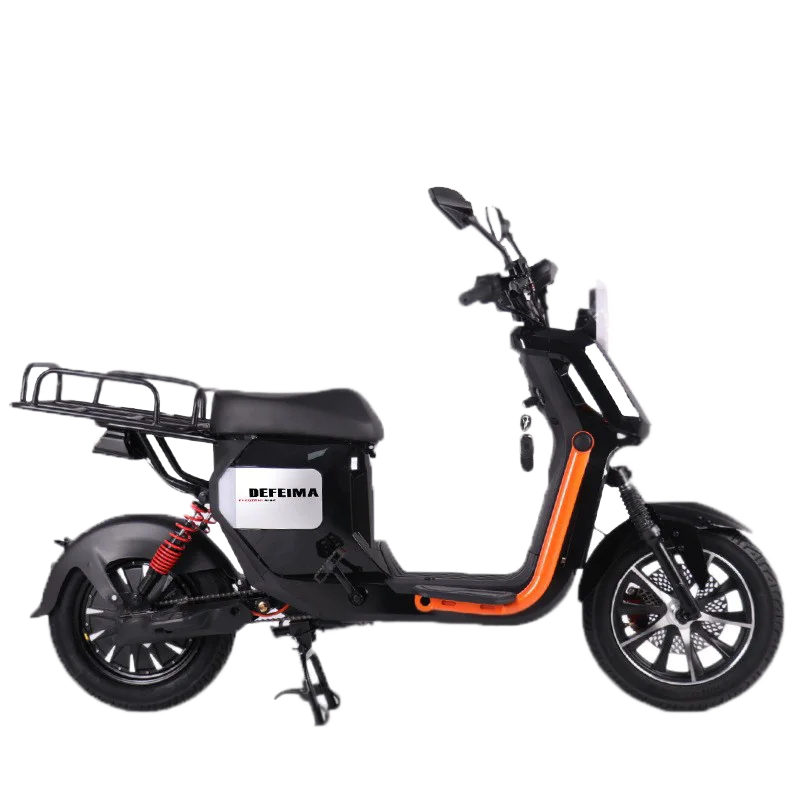
Youth training buyers need products that reduce first-ride friction. The sourcing conversation should compare gasoline youth dirt bikes and electric off-road motorcycles by rider age, noise rules, maintenance capacity, spare parts and training area layout.
This scenario focuses on a controlled training operation where rider confidence, session length and service readiness matter more than headline power.
Buyer profile
The buyer operates a controlled riding area and wants a small fleet for beginner lessons. The goal is not maximum speed. The priority is easy operation, manageable maintenance and predictable support.
The buyer is comparing electric youth bikes for quiet sessions with small gasoline bikes for markets where engine maintenance is already familiar.
FCDC planning approach
FCDC would help the buyer define rider age range, route length, charging access, session time, service skills and the required spare parts package. The quote can then separate gasoline and electric options instead of forcing a single answer.
For training use, the first shipment should include common wear parts, charger or battery notes where applicable, and basic support information for the local team.
What the buyer should validate
The buyer should validate whether riders and instructors prefer quiet electric operation or the familiar feel of gasoline bikes. They should also track service questions during the pilot period.
The repeat order can then focus on the model type that fits training operations best.
Electric youth options
Useful for quiet, controlled and beginner-friendly riding areas.
Gasoline youth options
Useful where dealers and mechanics already support small engines.
Support package
Plan brakes, tires, levers, chargers and common wear parts before shipment.
Training fleet checklist
- Rider age, height and beginner level.
- Noise limits and charging access.
- Lesson duration and daily usage plan.
- Wear parts and replacement schedule.
- Instructor and service team requirements.
Related FCDC resources
FAQ
Is electric better for youth training?
Electric can be better for quiet and controlled areas, but gasoline may be better where local mechanics and customers already understand small engines.
What should ship with a training fleet?
Common wear parts, chargers or battery support items, basic maintenance notes and contact details for after-sales questions should be considered.
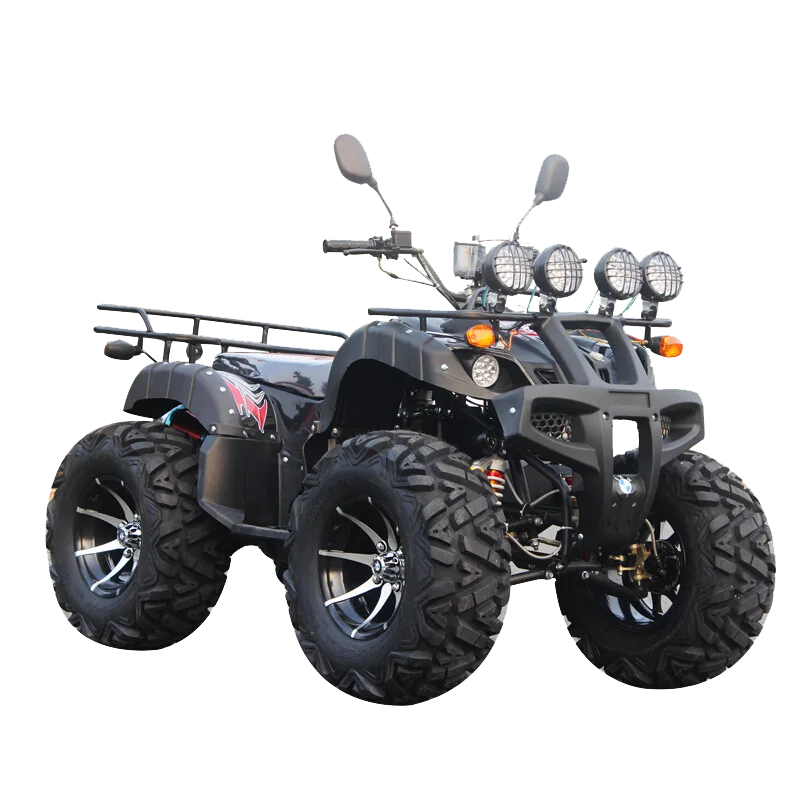
Build a youth training product mix
Share your training area, rider age range and quantity. FCDC can compare gasoline and electric options.