A fleet operator in Lagos does not lose money because a bike is expensive. The loss starts the day a bike stops and no controller is on the shelf. Africa imported USD 114.6 million of electric motorcycles and three-wheelers from China in the first half of 2026, up 60% year on year, with demand concentrated in North Africa (Voice of Nigeria, 11 September 2026). Every one of those units creates a parts obligation the supply chain rarely prices up front, and the dealer who prices it first owns the fleet account.
What the growth tells a dealer, and why downtime is the cost line
The number describes an installed base being created right now. It does not describe a mature aftermarket, because there is not one yet. That gap is the opening: fleets are being bought by operators who care about daily availability, and the supplier who can answer a parts question in year one becomes the default for the second order.
Compare the two aftermarket problems, because they need different kits. A European dealer selling Chinese electric dirt bikes is fighting for a parts path inside a dense market with alternatives on every street; our European parts and warranty note covers that case. An African fleet buyer is fighting distance and grid reliability, with no local alternative at all. Same product, different failure economics.
A rental unit standing still still carries its finance, its insurance, its storage and its slot in a booking calendar. The customer who paid for a day loses the day, and he does not blame the factory. He blames the dealer who sold him the fleet, which is why a parts gap turns into a relationship problem faster than a price gap does.
That changes what belongs in the first container. The question we ask a fleet buyer before quoting is not how many bikes he wants. It is: what is on your failure list now, and how many days does a part take to reach you today? If the honest answer is weeks, the kit should be weighted to whatever stops a unit inside that window, not to a ratio copied from a gasoline dealer’s plan. A part that grounds a rental bike earns its place in the container far ahead of a part that only makes a bike look better.
The stop-the-fleet parts list
| Part | Why it stops a fleet | Stock posture |
|---|---|---|
| Controller | No controller, no bike, and no roadside workaround | At least one per connector variant in service; confirm the model-specific plug before ordering |
| BMS board | A pack that will not communicate will not charge | One per battery variant in service, ordered against the pack serials on file |
| Charger | A dead charger grounds a bike as effectively as a dead pack | Stock chargers before packs; in our experience they fail earlier and cost less to hold |
| Throttle assembly | Dust, water and drops kill the hall sensor | A small buffer with the matching connector, because a throttle that does not plug in is not a spare |
| Brake switches and levers | A lever that does not cut the motor fails inspection and stops rental use | Consumable stock, replaced at service rather than at failure |
| Display unit | Diagnosis and customer confidence both depend on it | One per model variant, kept as a diagnostic tool as much as a spare |
Battery stock and charging where the grid is unreliable
Three practices matter more than any specification sheet. Keep packs at a storage charge rather than full when they are not going out, which is the practice we recommend and the one the pack documentation describes. Never let a customer’s charger substitute for yours, because a mismatched charger is the fastest way to turn a warranty question into a fire report. And treat the charger as a stocked part rather than an accessory, since a fleet with ten bikes and nine chargers is a fleet with nine usable bikes.
None of this needs a laboratory. It needs a written charging routine at the depot, a logged pack serial per bike, and a dealer who can read a BMS report over a video call. That last point is the practical limit of remote support: diagnosis by data works, diagnosis by description does not.
Local assembly and testing rules you will meet
Nigeria’s National Automotive Design and Development Council runs computerised testing facilities in Zaria, Lagos and Enugu, inspects assembly plants to confirm that imported used vehicles meet safety and emissions limits, and works with commercial banks and the Bank of Industry on consumer vehicle financing (https://naddc.cngportal.com.ng/, retrieved 25 October 2026). Two practical consequences follow. If you intend to assemble locally, you will meet an inspection regime, so build the testing and records step into the plan instead of discovering it at commissioning. And consumer finance availability shapes whether your customer can buy at all, which is often a tighter constraint than your price.
On import restrictions, the accurate statement is that local agencies are discussing local assembly and tighter import rules, and that discussion is not the same thing as an enacted ban. We do not publish the status of an instrument we have not read in full, and neither should a supplier who wants your second order. Confirm the current position with your broker and the authority before committing a container.
The support model, and the first container
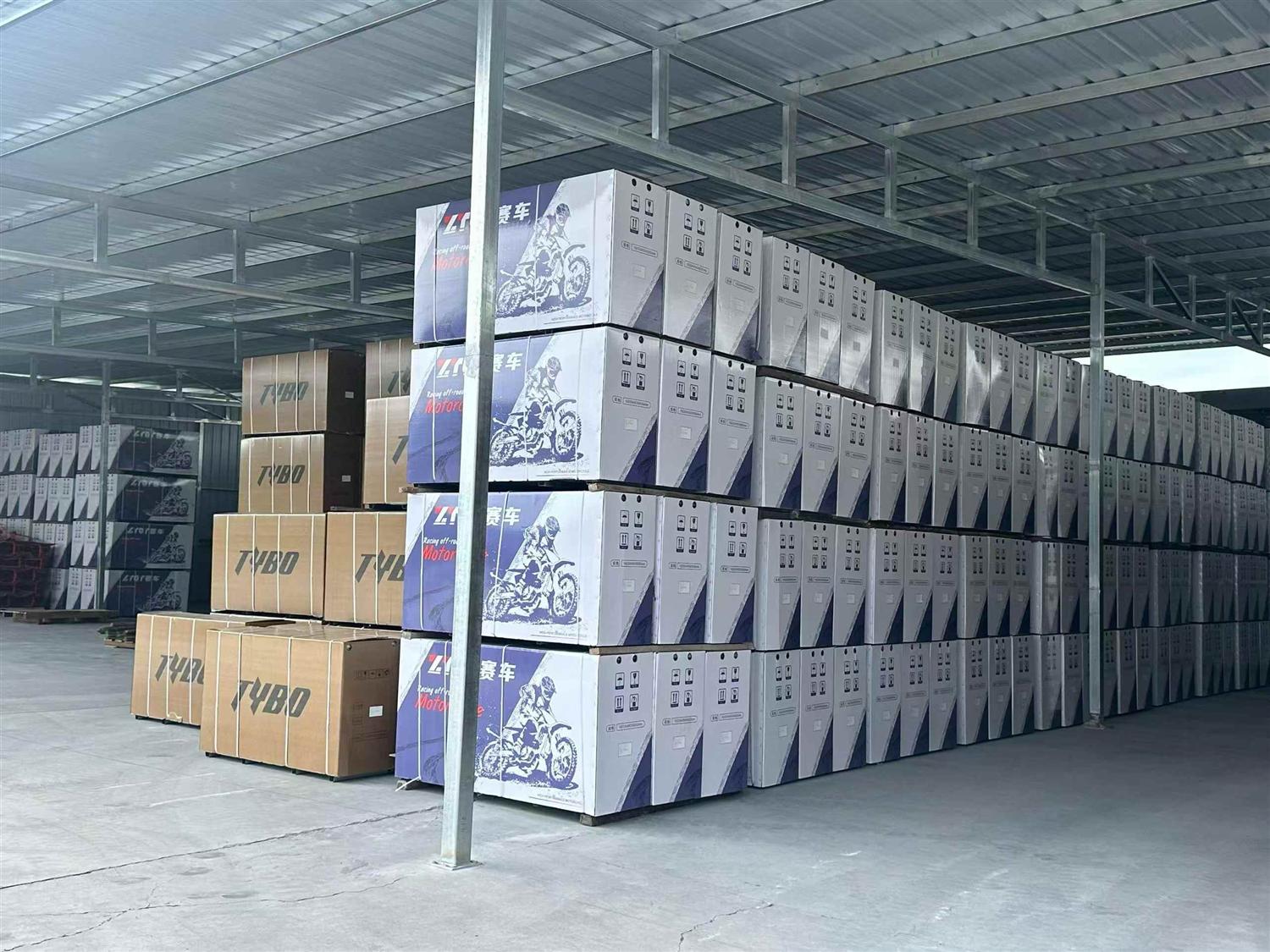
What works at this distance is unglamorous. Consolidate parts orders and ship them to a nominated dealer serving the surrounding fleets, so the stock sits on your side of the border where it matters. Run diagnosis by video and BMS readout, with part numbers confirmed against the serial rather than against a description. Put the first container together as bikes plus a weighted kit, because a container of bikes with no parts is a fleet waiting to stop.
The limits deserve stating plainly. FCDC Motor does not promise nationwide warranty coverage or next-day parts in any African market, and we will not sign a service level we cannot staff. What we will do is confirm the parts list per order, quote the replenishment path through the same desk that sold the bikes, and state the terms on the warranty policy page instead of in a sales call. The electric line and wholesale structure sit on the electric dirt bike wholesale page.
One operational detail that decides fleet renewals: log every failure with the part number and the days-to-part. After two quarters you own a dataset no supplier can argue with, and your reorder becomes a specification rather than a request. That log is also the most useful document you can bring to a quote conversation.
FAQ
How do I decide which spare parts to stock first?
From your own failure list, weighted by what stops a unit rather than what wears fastest. Controllers, BMS boards, chargers, throttles and brake switches ground a rental bike; cosmetics do not. Start there and let the log correct the mix.
Can I get warranty support without a local service network?
Warranty support works through documentation and parts, not through a local branch. FCDC Motor states coverage on the warranty page and ships the documents that make a claim workable. We do not promise nationwide coverage or next-day parts.
Does FCDC Motor hold parts stock in Africa?
No. Parts ship from China by container or courier, and consolidated orders can go to a nominated dealer serving surrounding fleets. Stock on your side of the border is the practical answer, and it is your stock rather than a depot we claim to operate.
Fleet size, model variants and the current failure list are the three fields that matter at Get Quote. The first-container kit is built from exactly those.