Quick answer: becoming a motorcycle dealer requires more than finding wholesale inventory. Define the customer and product category, confirm business and dealer-license requirements through official local sources, build a conservative landed-cost and cash-flow model, verify suppliers, plan the first inventory and spare parts, and create a sales and after-sales process before ordering. FCDC Motor uses this FCDC guide as the dealer-startup owner, but it does not provide legal, tax, or licensing advice.
Motorcycle dealer startup map
| Workstream | Decision before the first order | Evidence to keep |
|---|---|---|
| Business and license | Entity, dealer or trade license, importer role, tax, premises, insurance, consumer, vehicle, and road-use rules. | Current government or regulator links, applications, approvals, broker notes, and renewal dates. |
| Customer | B2C trail rider, training, rental, farm, dealer network, premium electric, or another defined segment. | Local search demand, competitor stock, customer interviews, leads, and deposits where lawful. |
| Product | Entry 125/150cc, core 250cc, 300cc step-up, electric off-road, or a focused mix. | Exact model pages, specifications, configuration, quote, documents, and parts list. |
| Economics | Landed cost, target margin, inventory days, warranty reserve, preparation, and marketing. | Three-scenario spreadsheet with conservative, base, and strong-sales assumptions. |
| Operations | Import, storage, assembly/PDI, service, spare parts, delivery, and warranty evidence. | Written workflows, responsible people, tools, suppliers, and customer handover checklist. |
1. Decide what kind of dealer you are building
A broad “motorcycle dealer” label is not a market. Choose a starting role: local off-road retailer, online single-unit seller, training or rental fleet, farm and utility supplier, electric off-road specialist, multi-brand showroom, or importer serving other dealers. The role changes premises, service, inventory, marketing, and supplier requirements.
2. Research licenses from official local sources
Dealer and importer requirements differ by country, state, province, and vehicle category. Search official government and regulator sites for business registration, dealer or trade licensing, tax, customs/importer registration, premises and zoning, insurance, consumer protection, vehicle registration, emissions, road use, and advertising rules. Record the source URL and date. Do not rely on a supplier, forum, or AI summary as the final legal answer.
You can contact FCDC Motor before licensing is complete to research models and quote inputs, but do not take customer money or promise road registration until your local professional confirms what is allowed.
3. Validate demand before buying inventory
- Review Google demand for model, displacement, price, parts, and “near me” intent in the target market.
- Audit competing dealer stock, sold listings, parts availability, and service positioning.
- Talk to riders, trainers, rental operators, farms, tour operators, and local clubs that match the chosen segment.
- Build a lead list or waiting list before increasing inventory.
- Separate brand curiosity from customers willing and able to buy.
4. Build the real dealer margin
Expected selling price – product – international logistics – duty/tax – customs and destination fees – inland delivery – assembly/PDI – payment fees – sales and marketing – warranty reserve – after-sales labor – inventory carrying cost = expected contribution.
Run conservative, base, and strong-sales cases. Include slower inventory turn and at least one after-sales scenario. Revenue is not profit, and an attractive FOB number is not the landed cost.
5. Choose a focused first inventory mix
| Role | Example FCDC Motor path | Why it exists |
|---|---|---|
| Entry / training | KAYO TT150 or BSE PH02 | Approachable price and chassis role where rider fit is confirmed. |
| Core adult 250cc | KAYO K2 PRO or BSE M5 250 | Main trail and recreational showroom demand. |
| 300cc-class step-up | KAYO T4L or BSE J11 | Experienced-rider and premium inventory path. |
| Electric test | HEZZO electric range | Low-noise or premium electric demand, only after charging, battery, document, and service checks. |
A first order does not need every category. Use the dealer inventory mix guide to assign each model a customer and price role.
6. Verify the motorcycle supplier
- Match legal identity, quotation, invoice, contract, and bank beneficiary.
- Confirm the exact model, engine or battery, configuration, quantity, packing, and documents.
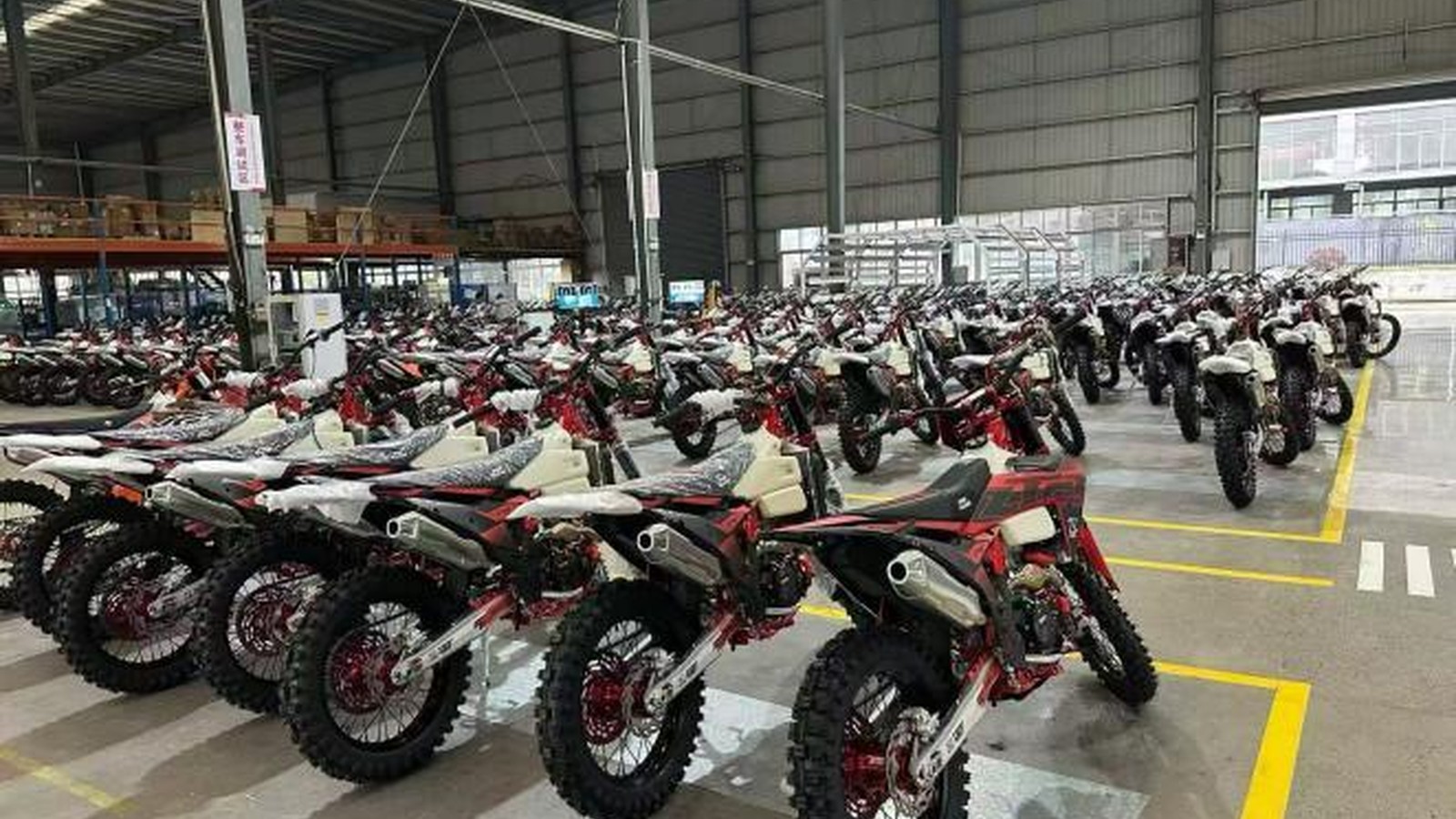
- Review current factory, product, inspection, packing, and shipment evidence.
- Agree inspection, payment milestones, change control, spare parts, and warranty workflow in writing.
- Reject universal street-legal or certification promises that ignore the exact model and destination.
Use the FCDC Motor supplier verification guide and production evidence hub during due diligence.
7. Prepare service and spare parts before selling
Decide who assembles and inspects each motorcycle, who handles customer setup, which first-service and wear parts are stocked, how faults are recorded, and how warranty evidence is sent. A dealer’s local service response is part of the product, especially for an imported mechanical vehicle.
8. Send a quote-ready first inquiry
Include company and market, dealer stage, customer segment, shortlisted models, sample or quantity, destination, intended use, target price band, trade term, packing, documents, parts, branding, and expected timeline. FCDC Motor can then compare current models and order paths without inventing a one-size-fits-all MOQ or delivery promise.
Plan a first motorcycle dealer order
Send your market, buyer segment, model shortlist, quantity, and destination to FCDC.