KAYO K2 Pro is the 250cc-class model dealers ask about when they already sell the KAYO line and want a step below the 300cc bikes. On the FCDC Motor page it is listed as a 249.9cc gasoline dirt bike with a reference FOB of $1,450 and samples from one unit. This guide is about the questions a purchasing dealer should settle before adding it, not a spec-only shootout.
Where the K2 Pro sits in the KAYO line FCDC Motor carries
| Model | Displacement | Reference FOB tier | Stocking role |
|---|---|---|---|
| KAYO K2 PRO | 249.9cc | $1,450 | Entry 250 option for adult beginner and trail customers |
| KAYO D3 | 249.4cc | $1,800 (tiered from 1-3 pieces) | Positioned for beginner to intermediate, training and light off-road |
| KAYO T4L (2026, YB300H) | 285.8cc | quote-only | 300cc-class step-up; separate buyer conversation |
The K2 Pro and D3 sit within the same 250 band, about half a cc apart, and the price gap is $350 on reference tiers. That gap is not explained by displacement, so the decision belongs to fit and resale speed: which rider walks into the shop and leaves with it.
What a dealer should confirm before stocking
- Model code on the paperwork. The page states 249.9cc for the K2 Pro. Confirm the model code printed on the crate and document set matches the listing, because the 250 band contains several near-identical displacements.
- Fork and rear-suspension spec per configuration. Configuration changes move the price and the customer expectation together. Ask for the build sheet on the exact unit you are quoting.
- Parts line. Filters, levers, brake pads, chains, sprockets, tubes, tyres, cables, plastics, batteries and fasteners should be quotable on the same RFQ. A 250 that cannot be kept running locally becomes a warranty argument instead of a repeat sale.
- Destination reality. The reference FOB is not a landed price. Freight, duty, broker fees, inland trucking, PDI labour and any registration requirement in your market sit on top, and some of them are the buyer’s responsibility by definition.
K2 Pro versus a 300cc bike: who actually buys which
The KAYO T4L 2026 sits at 285.8cc and is marketed in the 300cc class. Dealers sometimes assume the bigger number closes more customers. In practice the two close different conversations: the 250-class bike serves the rider who is stepping into off-road for the first time and wants manageable seat height and weight, while the 300-class bike serves the customer who already rides and wants more headroom. Carrying both is only rational if the shop can explain that difference at the counter.
If a dealer can only stock one, the question is which buyer dominates their catchment. FCDC Motor asks that before recommending a mix, because a container loaded with the wrong displacement tier is the expensive version of a wrong guess.
Price structure: what the $1,450 reference does and does not include
The published tier is a reference FOB, stated on the site as changing with destination and volume. What it includes: the unit at the configured build. What it excludes: freight, insurance, duty, broker, inland transport, PDI and any certification your market demands. Spare-parts cartons are quoted separately so they can be compared against the bikes rather than hidden inside a bundle price.
That separation is deliberate. A dealer who receives one blended number cannot tell whether they overpaid on the bike or on the spare line, and cannot benchmark the next order.
The first-order quantities that make freight worth it
A single K2 Pro sample proves the build. It does not prove a business case, because freight per unit on a lone crate is the worst number a dealer will ever pay. FCDC Motor’s guidance on first orders is to work out how many units share one shipment, and to let the model mix do part of the work: a container that carries the entry 250 alongside a step-up model serves two customers from one freight bill.
The quantities also set the price tier. Reference FOB figures on the product pages move by band, and the practical question is not “what is the cheapest band” but “which band can my storage and cash flow actually absorb in one cycle”. Dealers who buy into the deepest tier without the resale volume behind it convert a discount into dead stock.
Configuration questions worth asking in writing
Colour and plastics choice, wheel size for the intended terrain, brake package, and whether the sample unit and the container units will be built to the same specification. The last one matters more than it looks: a sample that differs from production is how dealers end up defending a bike they never actually approved.
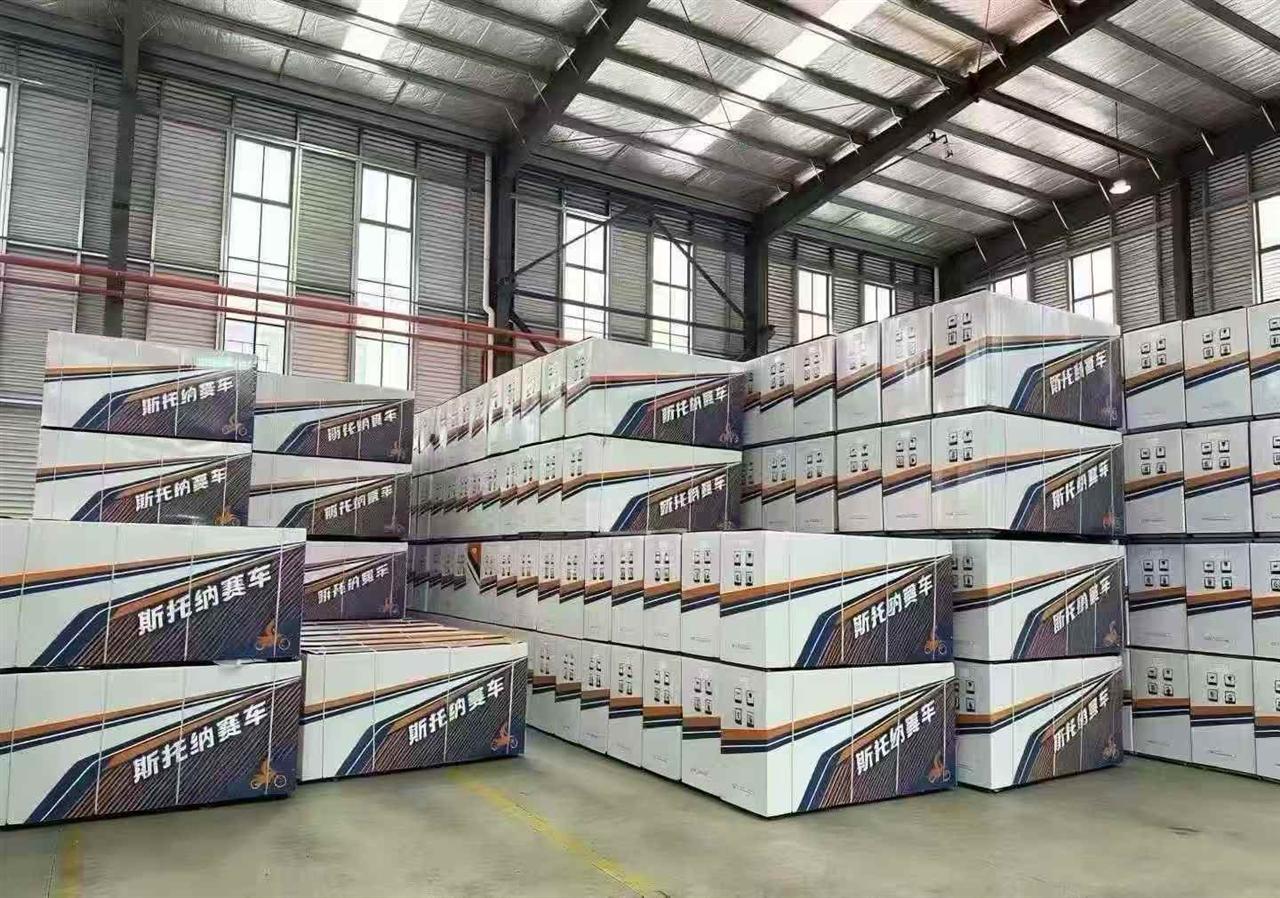
FCDC Motor’s sample route starts at one unit precisely so a dealer can inspect the build before committing a container, and the packing method (crate or carton) should be fixed at the same moment, because it changes freight volume and destination labour.
Frequently asked questions
Is the KAYO K2 Pro suitable for a beginner rider?
The 250-class is the usual entry point for adult beginners, and this model sits there at 249.9cc. Fit still decides it: seat height against the rider’s inseam and how the throttle is delivered matter more than the number on the plastics.
Can K2 Pro spare parts ship with the first container?
Yes, parts can be quoted on the same request and loaded with the bikes. Ask for the parts list tied to this model so the cartons carry the right numbers rather than a generic 250 kit.
What should be on the RFQ to get a usable quote?
Destination country, quantity band, model configuration, spare-parts needs and delivery window. Add whether the units are for retail stock or rental use, because that changes the configuration advice.
Next step
Start from the KAYO K2 PRO product page for the current reference tier, then send the five RFQ inputs through Get Quote. FCDC Motor replies with a dated reference FOB, the configuration stated on paper, and the spare line broken out separately.