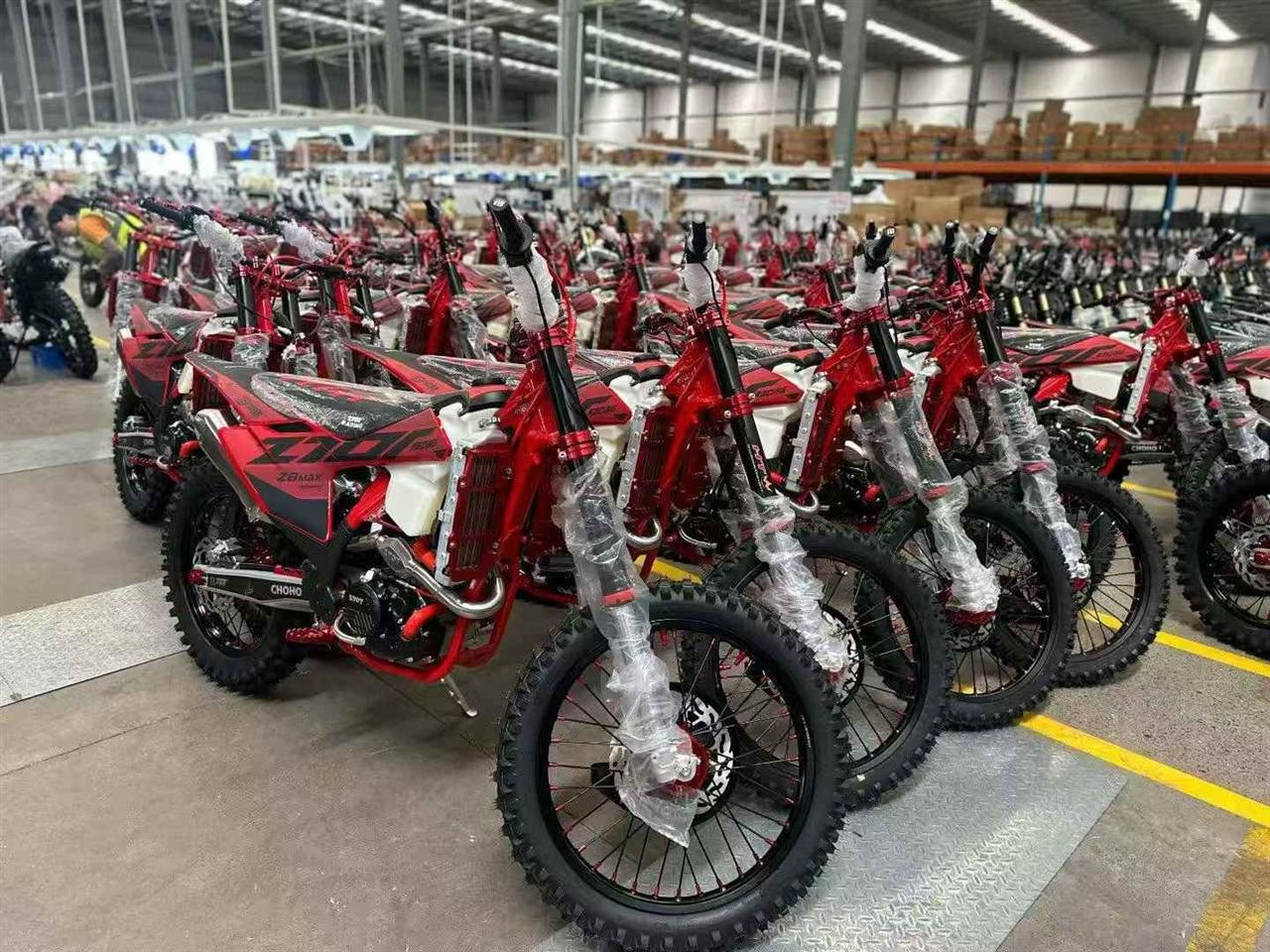
FCDC Motor prepared this FCDC dealer guide for buyers comparing 2-stroke vs 4-stroke dirt bikes before building a first quote, showroom mix or repeat wholesale order.
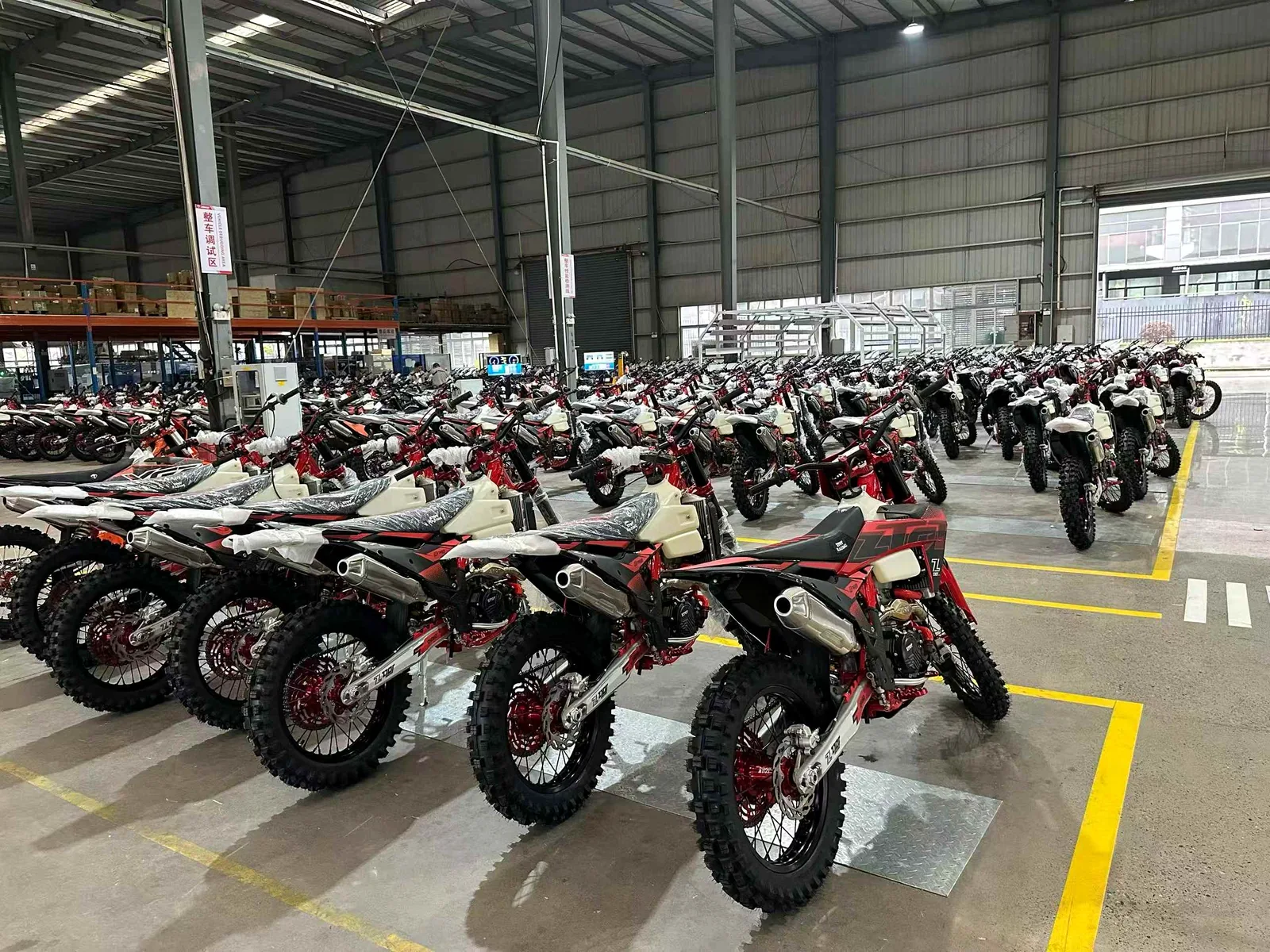
Quick answer: should dealers choose 2-stroke or 4-stroke dirt bikes?
Most new FCDC Motor dealer conversations should start with the customer role first, then engine type. A 2-stroke dirt bike can fit riders who ask for a lighter, sharper-feeling off-road machine and accept more specific service expectations. A 4-stroke dirt bike is often easier to explain for trail, beginner-to-intermediate, rental, farm or general dealer inventory because the use case is broader. The final FCDC quote still depends on exact model, quantity, destination, parts plan, documents and local use rules.
Current public evidence and source boundaries
Google autocomplete returned a live question cluster around “2 stroke vs 4 stroke dirt bike”, including trail riding, maintenance, beginner fit, difference, reliability and pros/cons. That makes this a direct buyer-decision intent, separate from the existing 150cc vs 250cc, 250cc vs 300cc, dealer startup and slow-moving inventory owners.
- Yamaha’s 2026 YZ125 specifications list a 125cc-class 2-stroke motocross example, useful as a public engine-family reference.
- Yamaha’s 2026 YZ250F specifications list a 250cc-class 4-stroke motocross example, useful for comparing engine family and dealer explanation needs.
- EPA’s highway motorcycles and recreational vehicles rule docket is a reminder that emissions and import status are regulatory questions, not generic SEO claims.
- EPA’s recreational vehicle emissions fact sheet is the safer source family for U.S. off-road emissions boundaries.
Dealer decision matrix
| Buyer question | 2-stroke fit | 4-stroke fit | FCDC Motor quote action |
|---|---|---|---|
| Who is the rider? | Better for riders asking for a sharper off-road feel and who understand maintenance discipline. | Better for broad trail, beginner-to-intermediate, utility or rental conversations where ease of explanation matters. | Ask for rider size, skill, terrain, service ability and local use before quoting. |
| What will the dealer stock first? | Use sparingly unless the market already asks for 2-stroke models by name. | Use as the safer default for entry, 150cc, 250cc and 300cc role planning. | Connect the shortlist to 150cc vs 250cc and 250cc vs 300cc. |
| How should after-sales be planned? | Confirm wear items, tuning knowledge, service notes and local mechanic comfort before stocking volume. | Still needs filters, brakes, chains, tires, controls and model-specific parts support. | Bundle the discussion with the first-container spare-parts kit. |
| Can it be promoted as road legal? | No generic engine type makes a dirt bike street legal. | Use destination documents and the import guide before making local claims. | |
| What about price or speed? | Do not use engine type alone to promise price, top speed, horsepower or availability. | Request exact model, configuration, quantity and current quote terms from FCDC Motor. | |
How to explain the choice to customers
Beginner and family buyers
Start with size, seat height, throttle control, supervision, protective gear and service support. A mild 4-stroke path is often easier to explain than a performance-focused 2-stroke story.
Adult trail buyers
Match the bike to terrain, rider weight, ride duration and parts availability. Engine type matters, but so do suspension, wheel size, gearing and maintenance access.
Rental or training fleets
Prioritize consistent operation, service repeatability, parts planning and clear handover instructions. Do not choose an engine type only because it sounds more exciting online.
Experienced off-road riders
If the local audience asks for 2-stroke response, keep the quote model-specific and prepare service notes, spare parts and realistic usage boundaries.
Quote checklist before choosing engine type
- Target buyer: beginner, adult trail, youth training, rental fleet, farm, showroom display or experienced off-road rider.
- Expected displacement band: 125cc, 150cc, 250cc or 300cc-class.
- Order stage: one unit, sample, trial batch, mixed-model order, 20ft container, 40ft container or repeat order.
- Parts expectations: filters, brake pads, controls, tires, tubes, chains, sprockets, gaskets, plastics and model-specific items.
- Destination-market questions: off-road use, import documents, emissions paperwork, labeling and any local sales restrictions.
- Content needed for the dealer website: photos, video, exact model name, configuration notes, safe use wording and inquiry path.
How this page fits the FCDC Motor owner system
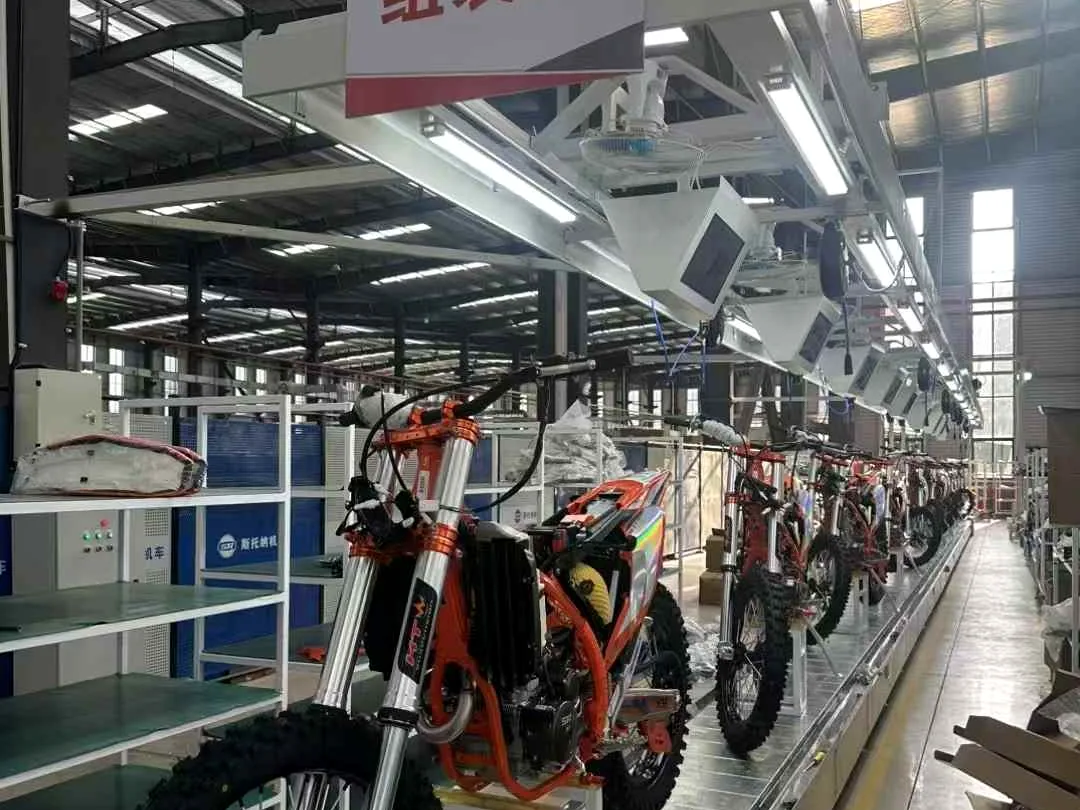
This guide owns the “2-stroke vs 4-stroke dirt bike” dealer-decision intent. Use Wholesale Dirt Bikes from China for supplier selection, How to Become a Motorcycle Dealer for startup workflow, Slow-Moving Inventory Prevention for stock discipline, and FCDC Motor quote request when the buyer is ready to compare exact models.
FAQ
Is a 2-stroke dirt bike always faster than a 4-stroke dirt bike?
No. Engine type alone does not prove speed. Top speed and acceleration depend on exact model, displacement, tune, gearing, rider weight, terrain and setup.
Is a 4-stroke dirt bike always better for dealers?
No. A 4-stroke model is often easier for broad dealer inventory, but a market with experienced off-road riders may ask for specific 2-stroke choices. The safer answer is to match model role, service capacity and local demand.
Can FCDC Motor confirm street-legal status from engine type?
No. Street-legal status depends on exact vehicle category, destination country, documents, lighting, labeling and local registration rules. FCDC Motor can help prepare the quote questions, but local legal use must be confirmed before promotion.
Compare engine type before a wholesale dirt bike order
Send FCDC Motor your buyer profile, target displacement, order stage, destination and parts expectations so the team can prepare a practical 2-stroke or 4-stroke shortlist.