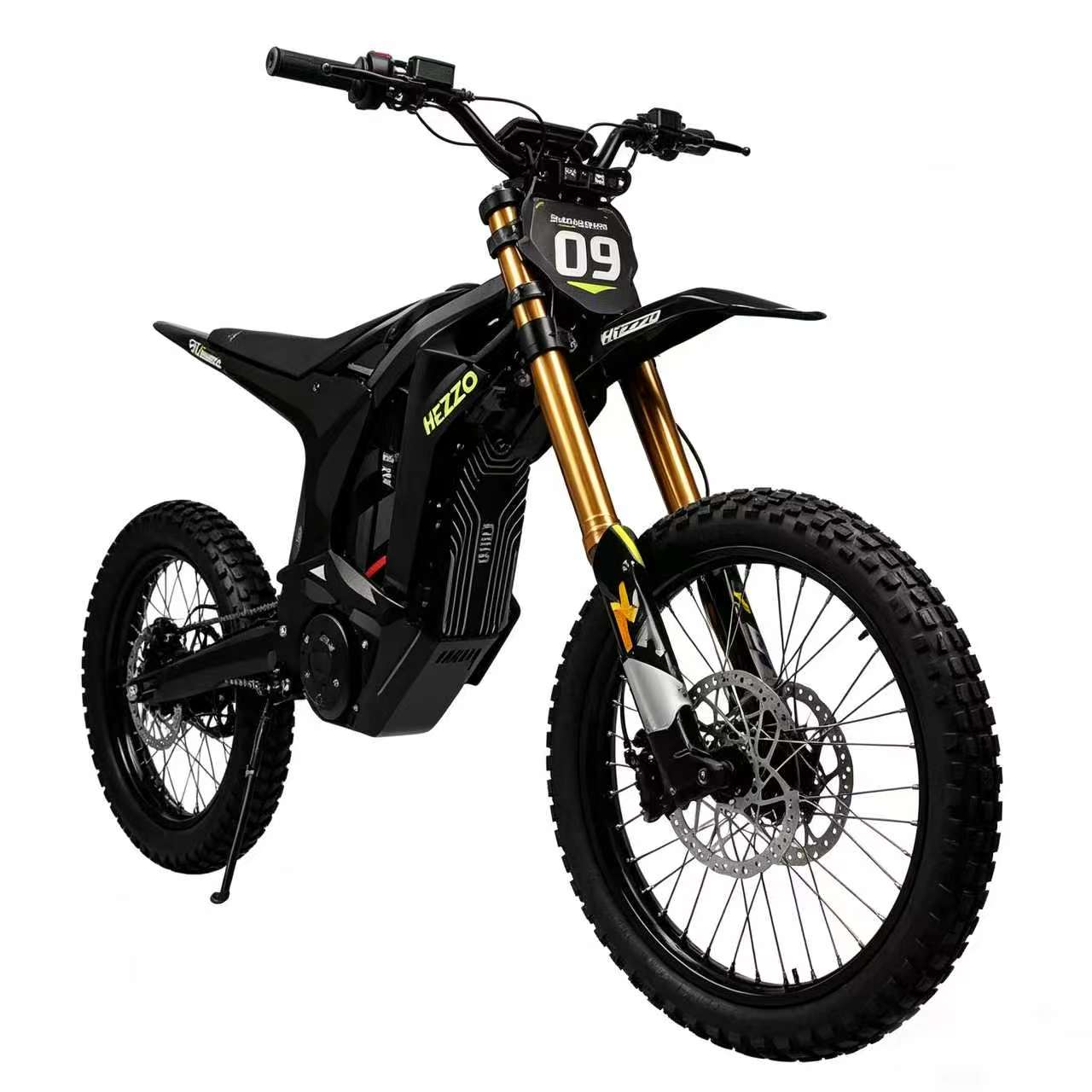
For dealers and fleet operators evaluating whether to stock electric or gasoline dirt bikes, the upfront purchase price is just one piece of the puzzle. The total cost of ownership (TCO) tells a more complete story.
FCDC Motor dealer note: FCDC uses this article as a practical buying guide; when a dealer compares models, our team verifies the exact product family, visual media, configuration, spare-parts support, and shipping route before preparing a quote.
This comparison breaks down the real costs of owning and operating electric vs gas dirt bikes over 1, 3, and 5-year periods.
Upfront Cost Comparison
| Cost Factor | Hezzo D7 (Electric) | KAYO K2 PRO (Gas 250cc) |
|---|---|---|
| Wholesale Price (FOB) | $30,090 | $1,450 |
| Shipping (est.) | ~$200 | ~$150 |
| Initial Setup | Charger included | None |
| Total Upfront | $30,290 | $1,600 |
Note: Electric models have a higher upfront cost but significantly lower operating costs. The math changes based on usage intensity and local energy prices.
Annual Operating Cost Comparison
Based on 500 hours of operation per year (typical for rental fleets and training schools):
| Cost Factor | Electric (Hezzo) | Gasoline (250cc) |
|---|---|---|
| Fuel/Energy | $50–$100 (electricity) | $1,000–$1,500 (gas + oil) |
| Oil Changes | $0 (no oil) | $200–$400 (10–20 changes) |
| Air Filters | $0 (no air filter) | $100–$200 (5–10 filters) |
| Spark Plugs | $0 (no plugs) | $50–$100 |
| Chain & Sprockets | $100–$200 | $150–$300 (more wear) |
| Brake Pads | $100–$200 | $100–$200 |
| Tires | $200–$400 | $200–$400 |
| Battery Depreciation | $500–$1,000 (pro-rated) | $0 |
| Total Annual Cost | $950–$1,900 | $1,700–$2,900 |
5-Year Total Cost of Ownership
| Scenario | Electric (Hezzo) | Gasoline (250cc) |
|---|---|---|
| Year 1 Total | $31,240 | $3,500 |
| Year 2 Total (cumulative) | $32,490 | $5,300 |
| Year 3 Total (cumulative) | $33,740 | $7,100 |
| Year 4 Total (cumulative) | $34,990 | $8,900 |
| Year 5 Total (cumulative) | $36,240 | $10,700 |
Key Takeaways for Dealers
Electric Wins on Operating Cost
Electric dirt bikes cost 40–50% less to operate annually than comparable gasoline models. No oil changes, no spark plugs, no air filters — the savings add up quickly, especially for high-usage rental fleets.
Gasoline Wins on Upfront Cost
Gasoline models like the KAYO K2 PRO at $1,450 FOB have a dramatically lower entry barrier. For dealers who sell to end customers (rather than renting), gas bikes are easier to move and require less customer education.
The Fleet Operator’s Math
For rental fleets putting 500+ hours per year on each bike, electric models break even on total cost within 3–4 years — and after that, they become significantly cheaper to run. For training schools and high-usage scenarios, electric is a compelling long-term investment.
Which Should You Stock?
| Business Type | Best Choice | Why |
|---|---|---|
| Retail dealer (sell to customers) | Gasoline (start with KAYO K2 PRO) | Lower upfront, easier to sell, proven demand |
| Rental fleet (high hours) | Electric (Hezzo D7 or D9) | Lower TCO over 3+ years, less maintenance downtime |
| Training school | Mix: Electric + small gas | Electric for beginners, gas for advanced classes |
| Mixed inventory dealer | Both! | Capture both price segments and use cases |
Contact us on WhatsApp to discuss the right mix for your business.